 English
 Esperanto
  Afrikaans
  Galego
  беларускі
  Shqiptar
  ភាសាខ្មែរ
  ქართული
  Кыргыз тили
  Монгол хэл
  IsiXhosa
  Zulu
Zulu  Somali
  Тоҷикӣ
  O'zbek
  Հայերեն
  Español
  Português
  русский
  Français
  日本語
日本語  Deutsch
  tiếng Việt
  Italiano
  Nederlands
  ภาษาไทย
  Polski
  한국어
한국어  Svenska
  magyar
  Malay
Malay  বাংলা ভাষার
  Dansk
Dansk  Pilipino
  Türkçe
  العربية
  Indonesia
  ελληνικά
  український
  Javanese
  فارسی
فارسی  नेपाली
  Burmese
  ລາວ
ລາວ  Latine
  Қазақша
  Azərbaycan
  Lietuvos
  Română
  Srpski језик


What Makes Chevrolet Auto Radiator Essential for Engine Performance?
The Chevrolet Auto Radiator plays a critical role in maintaining engine temperature, preventing overheating, and ensuring long-term vehicle reliability. This in-depth guide explores how radiators work, common issues, maintenance strategies, buying tips, and how to choose the right radiator for your Chevrolet vehicle. Whether you are a car owner, mechanic, or distributor, this article addresses real-world concerns and provides actionable insights to help you make informed decisions.
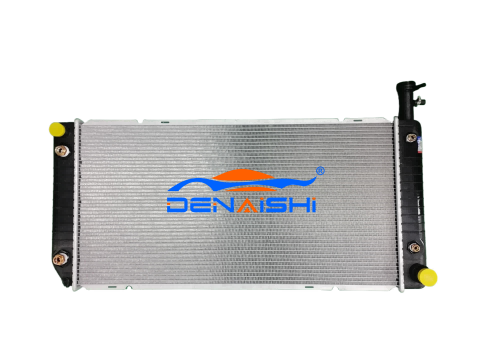
Table of Contents
- 1. What Is a Chevrolet Auto Radiator?
- 2. How Does a Radiator Work in Chevrolet Vehicles?
- 3. Why Is the Radiator So Important for Engine Health?
- 4. Common Problems with Chevrolet Auto Radiators
- 5. Warning Signs of Radiator Failure
- 6. How to Maintain a Chevrolet Auto Radiator
- 7. Choosing the Right Chevrolet Radiator
- 8. Comparison Table: OEM vs Aftermarket Radiators
- 9. Installation Tips and Best Practices
- 10. Cost Factors and Budget Planning
- 11. Frequently Asked Questions (FAQ)
- 12. Conclusion
1. What Is a Chevrolet Auto Radiator?
A Chevrolet Auto Radiator is a heat exchanger designed to regulate the temperature of your vehicle's engine. It prevents overheating by dissipating heat generated during combustion. Typically made of aluminum or copper, the radiator works in conjunction with coolant, hoses, and fans.
For Chevrolet vehicles, radiators are specifically engineered to match engine specifications, ensuring optimal cooling efficiency and durability.
2. How Does a Radiator Work in Chevrolet Vehicles?
The radiator operates as part of a closed-loop cooling system. Here’s how it works:
- Coolant absorbs heat from the engine block.
- Hot coolant flows into the radiator.
- Airflow (from driving or fans) cools the liquid.
- The cooled coolant cycles back into the engine.
This continuous process keeps the engine temperature within a safe range, even during extreme conditions.
3. Why Is the Radiator So Important for Engine Health?
The radiator is not just another component—it is vital for:
- Preventing Engine Overheating: Excess heat can warp engine parts.
- Enhancing Fuel Efficiency: Proper temperature improves combustion.
- Extending Engine Lifespan: Reduces wear and tear.
- Ensuring Safety: Overheated engines can lead to breakdowns.
Without a properly functioning radiator, even the most advanced Chevrolet engine can fail prematurely.
4. Common Problems with Chevrolet Auto Radiators
Radiators are subject to wear and tear. Common issues include:
- Coolant leaks
- Corrosion and rust
- Clogged tubes
- Faulty radiator fan
- Broken hoses
These problems can significantly reduce cooling efficiency and should be addressed promptly.
5. Warning Signs of Radiator Failure
Recognizing early signs can save costly repairs:
- Engine overheating frequently
- Low coolant levels
- Discolored or rusty coolant
- Steam from under the hood
- Visible leaks under the vehicle
If you notice any of these symptoms, immediate inspection is recommended.
6. How to Maintain a Chevrolet Auto Radiator
Proper maintenance ensures long-lasting performance:
- Flush coolant every 30,000–50,000 km
- Check hoses for cracks or leaks
- Inspect radiator cap pressure
- Clean debris from radiator fins
- Use manufacturer-recommended coolant
Routine maintenance can prevent unexpected breakdowns and extend the life of your radiator.
7. Choosing the Right Chevrolet Radiator
Selecting the correct radiator depends on several factors:
- Vehicle Model: Each Chevrolet model has unique requirements.
- Material: Aluminum radiators are lightweight and efficient.
- Cooling Capacity: High-performance engines require better cooling.
- Climate Conditions: Hot climates demand robust radiators.
Working with trusted suppliers like Guangzhou Denaishi Auto Parts Co., Ltd. ensures high-quality products tailored to your needs.
8. Comparison Table: OEM vs Aftermarket Radiators
| Feature | OEM Radiator | Aftermarket Radiator |
|---|---|---|
| Compatibility | Perfect fit | May vary |
| Price | Higher | More affordable |
| Availability | Limited | Wide range |
| Performance | Standard | Can exceed OEM |
| Warranty | Manufacturer-backed | Varies by supplier |
9. Installation Tips and Best Practices
Installing a radiator requires precision. Key tips include:
- Drain coolant before removal
- Ensure proper hose connections
- Check for leaks after installation
- Use correct torque settings
- Bleed air from the cooling system
Professional installation is recommended for best results.
10. Cost Factors and Budget Planning
The cost of a Chevrolet Auto Radiator depends on:
- Vehicle model and year
- Material and design
- Brand and manufacturer
- Labor costs
Investing in a high-quality radiator can save money in the long run by avoiding frequent repairs.
11. Frequently Asked Questions (FAQ)
Q1: How often should I replace my Chevrolet radiator?
A: Typically every 8–10 years, but it depends on usage and maintenance.
Q2: Can I drive with a leaking radiator?
A: It is not recommended, as it can lead to engine overheating and severe damage.
Q3: What coolant is best for Chevrolet vehicles?
A: Use manufacturer-recommended coolant for optimal performance.
Q4: How do I know if my radiator is clogged?
A: Signs include overheating, poor heater performance, and uneven coolant flow.
Q5: Are aluminum radiators better?
A: Yes, they are lightweight, efficient, and resistant to corrosion.
12. Conclusion
The Chevrolet Auto Radiator is a cornerstone of engine performance and reliability. Understanding its function, maintenance, and selection process empowers vehicle owners to prevent costly breakdowns and ensure smooth driving experiences.
If you are looking for high-quality, durable, and cost-effective radiator solutions, Guangzhou Denaishi Auto Parts Co., Ltd. offers a wide range of products designed to meet global standards. Contact us today to find the perfect radiator for your Chevrolet vehicle and experience unmatched quality and service.
Send Inquiry




X
We use cookies to offer you a better browsing experience, analyze site traffic and personalize content. By using this site, you agree to our use of cookies.
Privacy Policy